

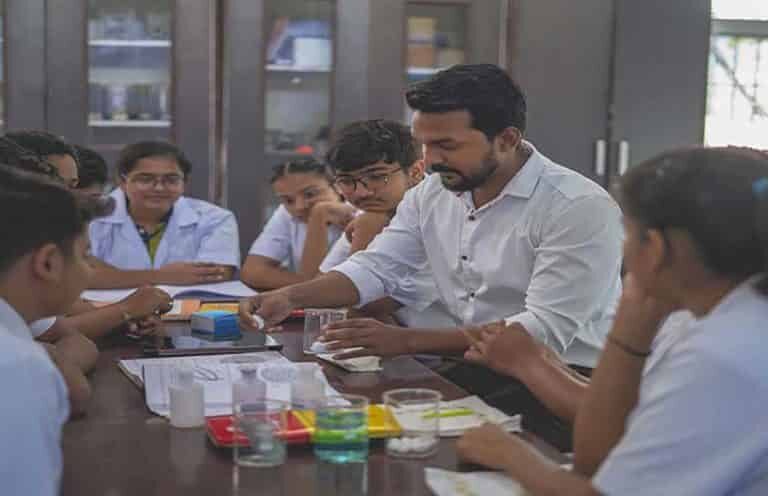
Walk into a classroom at one of the best GSEB schools in Surat, and you’ll likely see students doing more than just taking notes. You might see a group building a model of a sustainable city or designing a prototype for water conservation. What you’re witnessing is not just a class project, it’s project-based learning (PBL) in action, and it’s quietly transforming how students think, solve problems, and innovate.
What is Project-Based Learning and Why Does It Matter in GSEB Schools
Project-based learning is more than just adding a hands-on activity to a textbook lesson. It’s a teaching method where students learn by actively engaging in real-world and personally meaningful projects. Instead of memorising chapters for a test, they work on questions that have real value, explore topics in-depth, and apply what they learn in creative ways.
For students in GSEB (Gujarat Secondary and Higher Secondary Education Board) schools, this approach offers a refreshing break from traditional rote learning. More importantly, it nurtures innovation, something that textbooks alone often struggle to ignite.
How Project-Based Learning Sparks Innovation in GSEB Schools Across Gujarat
Let’s face it, not every student learns the same way. Some are visual thinkers. Others are builders, experimenters, and question-askers. Project-based learning gives them all a space to explore their ideas, make mistakes, and come up with unique solutions.
Here’s How it Works in Practice:
- Ownership of Learning: Students are encouraged to ask questions, make decisions, and drive their own learning journey. That sense of ownership naturally leads them to explore new ideas and innovate.
- Learning by Doing: When students build, test, revise, and rebuild, they’re not just learning they’re creating. This iterative process mirrors how real innovation happens in the world.
- Collaborative Environment: Working in teams teaches students to listen, negotiate, and combine ideas. Often, the most creative solutions come from this kind of collaboration.
One teacher in a GSEB school in Gujarat shared how her students came up with an app idea to help track school waste. It started as a simple discussion about pollution and turned into a working prototype. That kind of thinking can’t be taught through lectures alone.
How It Works in GSEB Schools
GSEB schools are increasingly incorporating PBL into their curriculums, especially those focused on holistic development. In some of the top GSEB schools in Surat, PBL is woven into subjects like science, maths, and even languages.
Instead of assigning a worksheet on environmental science, for instance, a teacher might ask students to conduct a local survey, interview shopkeepers about plastic usage, and propose alternatives. The result? Students don’t just learn environmental terms. They understand the problem deeply and get to think of tangible solutions.
In another example, a group of Class 9 students created an affordable water filter using locally available materials. They didn’t just read about water purification they learned chemistry, physics, budgeting, and presentation skills along the way.
This kind of cross-disciplinary thinking is what makes PBL so powerful.
Real-World Relevance for Students in the Best GSEB Schools
In today’s world, where innovation is the currency of progress, students need more than good grades. They need to think critically, work collaboratively, and be ready to solve problems that don’t have a clear right answer.
Project-based learning makes school feel less like a series of tests and more like preparation for life. It shows students that what they learn in the classroom connects directly to the world outside.
If you’ve ever heard a student ask, “But how will I use this in real life?” PBL is the answer.
Even research supports this shift. According to a study published in Edutopia, students engaged in PBL perform better on high-stakes tests and are more likely to retain knowledge long term.
Frequently Asked Questions
Q1. How do CBSE schools in Gujarat help students with NEET or JEE prep?
A. Many CBSE schools in Gujarat provide integrated coaching, regular mock tests, and doubt-clearing sessions focused on NEET and JEE, aligning school curriculum with exam preparation from Class 9 onwards.
Q2. How do cultural programs at the best pre school in Surat benefit early childhood education?
A. Cultural programs at the best pre-school in Surat help children develop social awareness, appreciate diversity, and build confidence through activities that explore global traditions, festivals, and values in an age-appropriate and engaging way.